

Dive into the Irresistible World of Mochi
- Jun 1, 2024
- 3 min read
Updated: Jun 3, 2024
Mochi, or rice cakes, are a beloved treat in Japan that has been enjoyed for centuries. This traditional treat, with its unique texture and versatile flavours, has now captivated food enthusiasts around the globe. From its humble origins to its modern-day variations, mochi remains a beloved symbol of Japanese culinary craftsmanship and cultural heritage.
A brief history
Mochi traces its origins back over a millennium, with its roots deeply embedded in Japanese culture and tradition. Historically, mochi was consumed as a ceremonial food during religious rituals and special occasions, such as New Year celebrations and weddings. It was believed to symbolise prosperity, good fortune, and longevity.
In ancient Japan, mochi is served not only as a delectable treat but also held symbolic significance, especially among samurais. These warriors would often consume mochi before heading into battle, believing its dense and chewy texture provided sustenance and energy for the impending conflict. Additionally, the act of pounding mochi was considered a preparatory ritual for war, as the rhythmic pounding of the rice symbolised the unity and strength of the samurai clan. Thus, the sight of samurais making and consuming mochi was often interpreted as a precursor to conflict, signalling the imminent arrival of war.
The traditional method of making mochi is to pound glutinous rice until it becomes a smooth, sticky dough. This labour-intensive process is traditionally carried out using a large wooden mortar and mallet, a practice that continues in some regions of Japan to this day, particularly during festivals like mochitsuki.
Texture and taste
What sets mochi apart is its distinctive texture – a soft, chewy consistency that is both satisfying and addictive. This unique texture is achieved through the special type of rice used, known as mochigome, which is high in starch and lacks the amylose found in regular rice varieties.
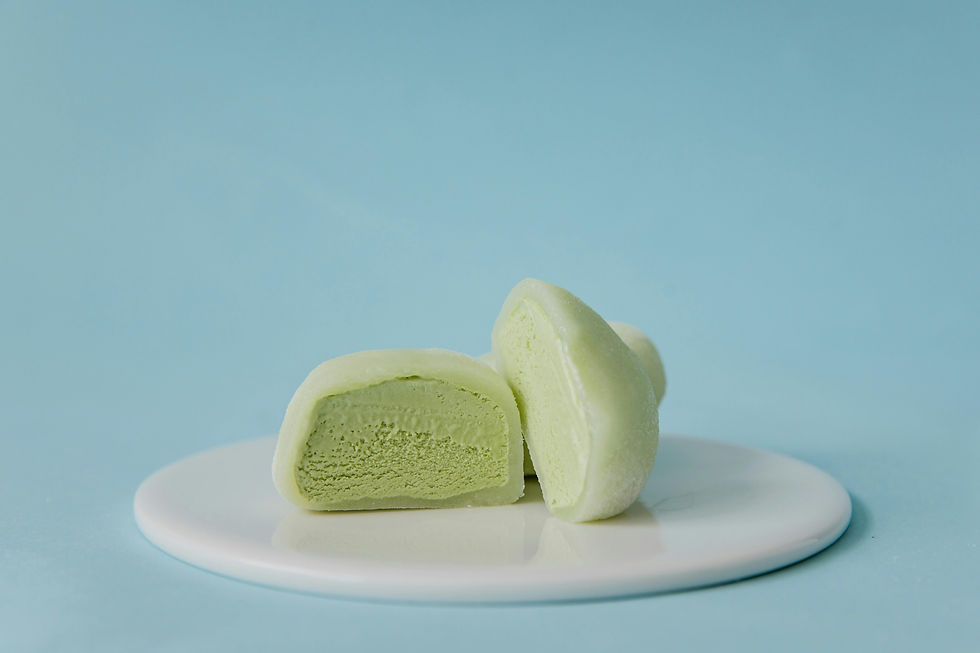
Mochi itself is relatively neutral in flavour, serving as a versatile canvas for a wide range of fillings and toppings. Traditional fillings include sweet red bean paste (anko), a popular choice that complements the soft, chewy texture of the mochi. Other variations include fillings like taro paste, sesame paste, and even fruit preserves. In recent years, creative twists on mochi fillings have emerged, incorporating ingredients like matcha, chocolate, and ice cream to cater to modern tastes.

Modern variations
While traditional mochi remains a cherished favourite, modern innovation has given rise to an array of exciting variations and adaptations. One such example is "daifuku," a type of mochi stuffed with sweet fillings, often served as a snack or dessert. Daifuku comes in various flavours and sizes, ranging from the classic red bean paste to more contemporary options like strawberries and cream.
Another popular variation is "warabimochi," which is made from bracken starch instead of glutinous rice. Warabimochi has a jelly-like consistency and is typically served with kinako (roasted soybean flour) and kuromitsu (brown sugar syrup), offering a delightful contrast of flavours and textures.

In addition to sweet varieties, savoury mochi dishes also abound in Japanese cuisine. One notable example is "kinako mochi," where grilled or toasted mochi is coated with a mixture of kinako and sugar, resulting in a delightful blend of sweet and nutty flavours.
Global appeal
In recent years, mochi has gained widespread popularity beyond Japan, thanks in part to its unique taste and texture, as well as its adaptability to various culinary traditions. Today, you can find mochi-inspired desserts in cafes and bakeries around the world, with innovative chefs incorporating mochi into everything from ice cream and cakes to crepes and pastries.
The rise of social media has also played a significant role in spreading the allure of mochi to a global audience. Eye-catching photos and videos showcasing the making and consuming of mochi have sparked curiosity and inspired food enthusiasts to seek out this delectable treat.
Mochi stands as a testament to the rich culinary heritage of Japan, blending tradition with innovation to create a truly exceptional delicacy. Its irresistible texture, paired with a wide variety of flavours and fillings, ensures there is something for everyone to enjoy. As a traditional sweet treat or part of a modern culinary creation, mochi continues to captivate taste buds and bring joy to food lovers worldwide.


Comments