

Do Vegetarians Get Enough Protein?
- Jul 1, 2024
- 3 min read
Widely accepted as an essential nutrient, protein helps to build and repair tissues, keep our immune system in check, and manage our weight. But if you're skipping the steak for a vegetarian diet, you might wonder just how creative you can get. There are loads of tasty ways to get your protein fix from plants.
How about trying out some fun and fuss-free strategies we cooked up for you to up the protein in your vegetarian meals.
Understanding your protein needs
First things first, let's talk protein goals. How much do you need? It depends on your age, weight and how active you are. As a general rule, shooting for about 0.8 grams of protein per kilogram of body weight each day should keep you in good shape. However, athletes, pregnant and breastfeeding women, and older adults may need slightly more.
Plant-based protein sources
Contrary to popular belief, there are plenty of plant-based foods that are rich in protein. Some of the best sources include:
Legumes: Beans, lentils, chickpeas, and peas are all excellent sources of protein. They're also high in fibre, which can help you feel fuller for longer.

Tofu and tempeh: These soy-based products are versatile and can be used in a variety of dishes. They're packed with protein, making them a staple in many vegetarian diets. Fry, stir-fry or bake – the possibilities are endless.
Quinoa: Unlike other grains, quinoa is a complete protein, meaning it contains all nine essential amino acids that our bodies can't produce on their own. It's also gluten-free and incredibly versatile!
Nuts and seeds: Almonds, peanuts, chia seeds, and hemp seeds are all great sources of protein and healthy fats. They make for convenient snacks and can be added to salads, yoghurt, or smoothies.
Seitan: Also known as wheat gluten, seitan is made from gluten, the protein found in wheat that resembles the look and texture of meat when cooked. It has a chewy texture and can be seasoned and cooked in various ways.

Other soy products: Aside from tofu and tempeh, soy milk, soy yoghurt, and soy-based meat alternatives are all good sources of protein.
Incorporating protein into your meals
Now that you know which foods to focus on, it's time to incorporate them into your meals! Here are some simple ways to add protein to your vegetarian diet:
1. Start your day with a protein-packed breakfast: Scrambled tofu, Greek yoghurt with nuts and berries, or a smoothie made with protein-rich ingredients like spinach, almond butter, and chia seeds are great options.
2. Bulk up your salads: Add beans, chickpeas, or tofu to your salads to make them more filling and nutritious.
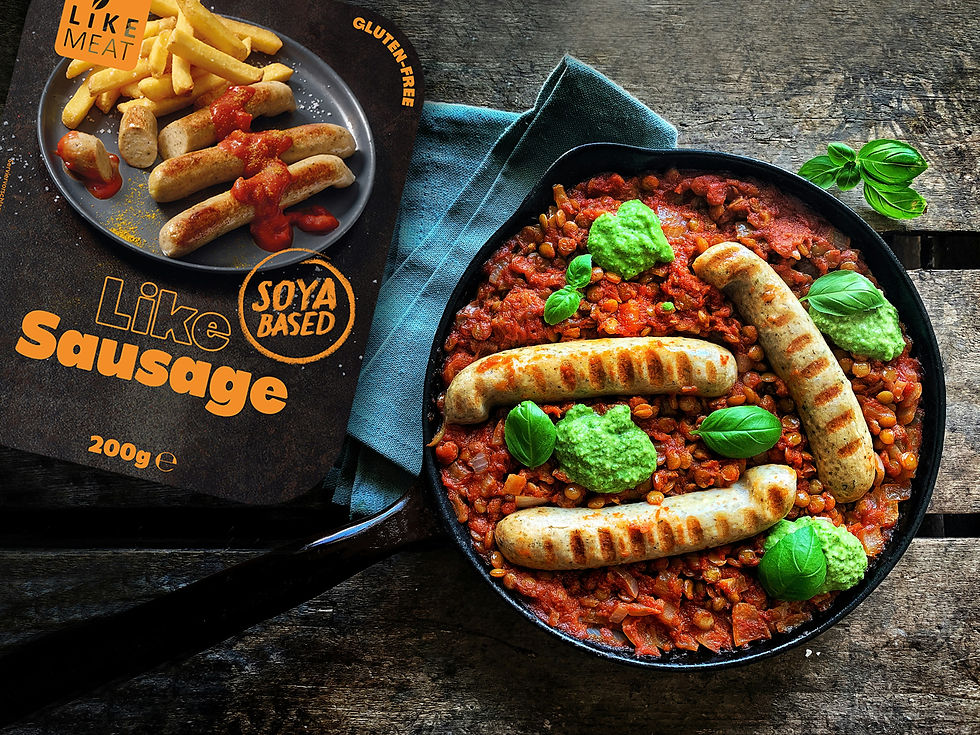
3. Experiment with meat alternatives: Try incorporating plant-based meat substitutes like veggie burgers, meatless sausages, or soy-based crumbles into your favourite recipes.
4. Snack smart: Keep protein-rich snacks like roasted chickpeas, trail mix, or nut butter and apple slices on hand for when hunger strikes between meals.
Get creative in the kitchen
Don’t be afraid to experiment with new recipes and ingredients. There are countless vegetarian recipes available online that are both delicious and nutritious. Adding protein to your vegetarian diet doesn't have to be a chore. By incorporating a variety of plant-based protein sources into your meals and snacks, you can easily meet your nutritional needs while enjoying a diverse and flavourful diet.


Comments